Transform Your Car With Top-Tier Auto Tint and Wraps Options
Enhancing a car with top-tier auto tint and wraps can greatly boost its visual appeal and functionality. These services provide a balance of style and protection, suited for individual preferences and requirements. From shielding UV rays to better temperature control, the benefits are obvious. Yet, selecting the right options and installation methods can feel daunting. Grasping the different aspects of auto tint and wraps is crucial for an informed decision. What should be thought of next?
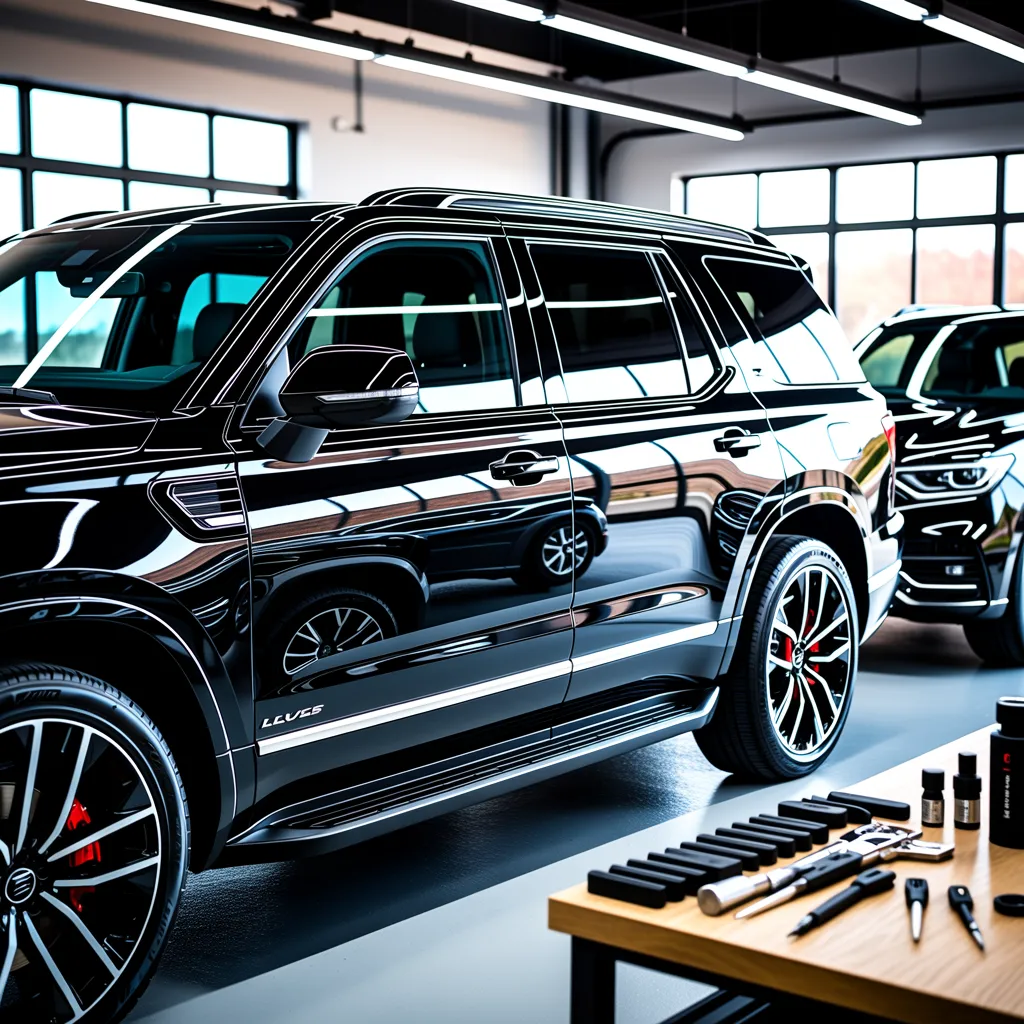
The Perks of Top-Tier Auto Tint and Wraps
High-quality auto tint and wraps enhance both the visual and practical qualities of vehicles. These applications deliver a sleek appearance, enabling vehicle owners to showcase their individuality while maintaining a refined look. Additionally, premium auto tint serves as a shield against damaging UV rays, reducing interior fading and safeguarding passengers from sun exposure. It can also help control vehicle temperature, supporting overall comfort.
Additionally, premium wraps offer a layer of protection against scratches and minor abrasions, maintaining the vehicle's original paint. This can be particularly beneficial for those seeking to maintain resale value. Furthermore, wraps can be readily removed or altered, providing versatility for those who wish to refresh their vehicle's look without a permanent commitment. In summary, premium auto tint and wraps blend style with practical advantages, making them a worthwhile investment for any vehicle owner.
Types of Auto Wraps to Consider for Your Vehicle
When evaluating vehicle enhancements, auto wraps offer various types, each offering unique benefits and aesthetic options. One popular choice is the full wrap, which envelops the entire vehicle, enabling a complete makeover in color and design. This option can greatly alter the vehicle's appearance while also delivering protection against scratches and UV damage.
Partial wraps act as a different solution, focusing on certain regions such as the hood, roof, or doors. This option is perfect for those seeking to make a bold move without covering the original paint job.
For companies, personalized graphic wrappings featuring logos and branding can improve brand presence and advertise offerings effectively. Additionally, specialty wraps, including matte, gloss, and metallic finishes, provide distinctive surface qualities and visual appeal. Each type of auto wrap fulfills different functions, making it crucial to evaluate personal choices and vehicle needs when choosing the ideal option.
How to Find the Appropriate Auto Tint for Your Vehicle
Selecting the appropriate window tint requires comprehending the different kinds available and ensuring compliance with legal regulations. Varying tint materials and shades can affect appearance, heat reduction, and seclusion. Knowledge with regional regulations is crucial to prevent potential fines and confirm the selected tint aligns with automotive standards.
A In-Depth Review of Tint Categories
Picking the appropriate auto tint can remarkably boost both the visual appeal and functionality of a automobile. Various tint types are accessible, each offering unique perks. Dyed window film is affordable and delivers privacy while filtering UV rays. Metalized tints reflect heat and boost durability, making them excellent for climates with intense sunlight. Ceramic window films, though pricier, provide superior heat rejection and clarity without interfering with electronic devices. In addition, hybrid tints combine elements from both dyed and metalized films for a balanced option. When choosing a tint, one should consider factors such as heat rejection, visibility, and personal style preferences. Ultimately, the right tint type can transform a vehicle's appearance while providing essential protection.
Lawful Tint Regulations
Understanding tint rules is crucial for anyone exploring auto tint placement. Each state has specific laws establishing the allowable extent of tint darkness, regularly measured by Visible Light Transmission (VLT) percentages. For example, numerous states authorize deeper tints on rear windows while constraining front-side and windshield tints to lighter shades. Moreover, regulations may change according to car type, incorporating exemptions for particular commercial vehicles. It is important for vehicle owners to examine their state's laws to avoid fines and guarantee adherence. Consulting with a professional tint service can supply clarity and help in selecting the suitable tint that meets both aesthetic preferences and legal obligations. Adhering to these regulations will enhance both the vehicle's appearance and safety.
Should You Select Professional Installation or Try DIY?
When reflecting on whether to settle on professional installation or a do-it-yourself approach for auto tint and wraps, the judgment is based on multiple important factors. Professional installation often provides a error-free finish, utilizing experienced specialists versed in the nuances of different material types. This expertise reduces risks attributable to misalignment, damage, and bubbles to the vehicle. Additionally, numerous specialists extend warranties, rendering confidence against probable deficiencies.
Conversely, DIY enthusiasts may select cost savings and the enjoyment of executing a project without assistance. However, this approach requires a considerable commitment of hours and labor, paired with a learning curve for correct methods. Mistakes can cause costly redoing or even damage, possibly eliminating initial expenditure reductions.
In the end, individuals should determine their competence, budget, and target goal, weighing the benefits of professional assurance versus the allure of a personal project. Each choice presents unique advantages suited for varied needs and circumstances.
How to Look after Your Auto Tint and Wraps
Care of auto tint and wraps remains vital to preserve their appearance and longevity, as oversight can cause premature fading and peeling. Periodic maintenance includes delicate cleaning with a balanced pH soap and a tender microfiber towel to avoid scratches. It is important to avoid abrasive cleaners and tools that could hurt the surface.
Additionally, car owners should allow the tint or wrap to cure completely, usually for about a week, before subjecting it to extreme weather conditions. Parking in shaded areas or applying a car cover can shield the finish from UV rays and pollutants.
Furthermore, it's recommended to keep the surfaces free from waxes or sealants, as these can compromise the tint's adhesion. Finally, frequent checks for any signs of lifting or damage will help tackle problems promptly, ensuring the vehicle remains in optimal shape.
Where to Discover Reliable Tint and Wrap Solutions Near You
What is the best way to find dependable tint and wrap services locally? Individuals searching for trusted services should begin by undertaking online research. Search engines can supply a list of local businesses with customer reviews, ratings, and service details. Social media platforms and community forums also work as valuable resources, where users share personal experiences and recommendations.
In addition, inquiring with friends, family, or colleagues for leads can point you to reliable experts. Exploring local automotive shops can supply complete info information about specialized tint and wrap services, as plenty of shops connect with such professionals.
Once potential candidates are identified, it is wise to check their credentials and portfolio, ensuring quality and expertise. Comparing quotes and warranties can also help in making an informed decision. Ultimately, thorough research and personal recommendations are key to finding reputable tint and wrap services that will enhance a vehicle's appearance and functionality.
Commonly Posed Questions
How long Does the Installation Process Typically Take?
The setup procedure generally takes between two to five hours, based on the vehicle size and complexity of the tint or wrap. Factors such as preparation and curing period can also affect the overall duration.
Will Auto Tint Affect My Vehicle's Warranty?
Auto tinting commonly does not nullify a car's protection, as long as it is professionally applied and satisfies manufacturer guidelines. However, it's wise to examine particular coverage details to verify coverage remains protected.
Can Wraps Be Removed Without Harming the Finish?
Wraps can generally be removed without damaging the paint if applied correctly. However, factors such as the age of the wrap and paint condition may influence the outcome, so it is always wise to be careful during removal.
Do Lawful Limitations Exist for Tint Darkness in My Area?
Tint intensity restrictions differ depending on the region. Individuals ought to examine local regulations or requirements to verify compliance. Neglecting these guidelines could result in fines or the need for removal.
How can I determine if my tint provides UV protection?
To figure out if tint offers UV protection, one can examine product specifications for UV levels, contact the installer, or identify tags denoting UV-absorbing features. Checking with a UV meter can also deliver confirmation.